
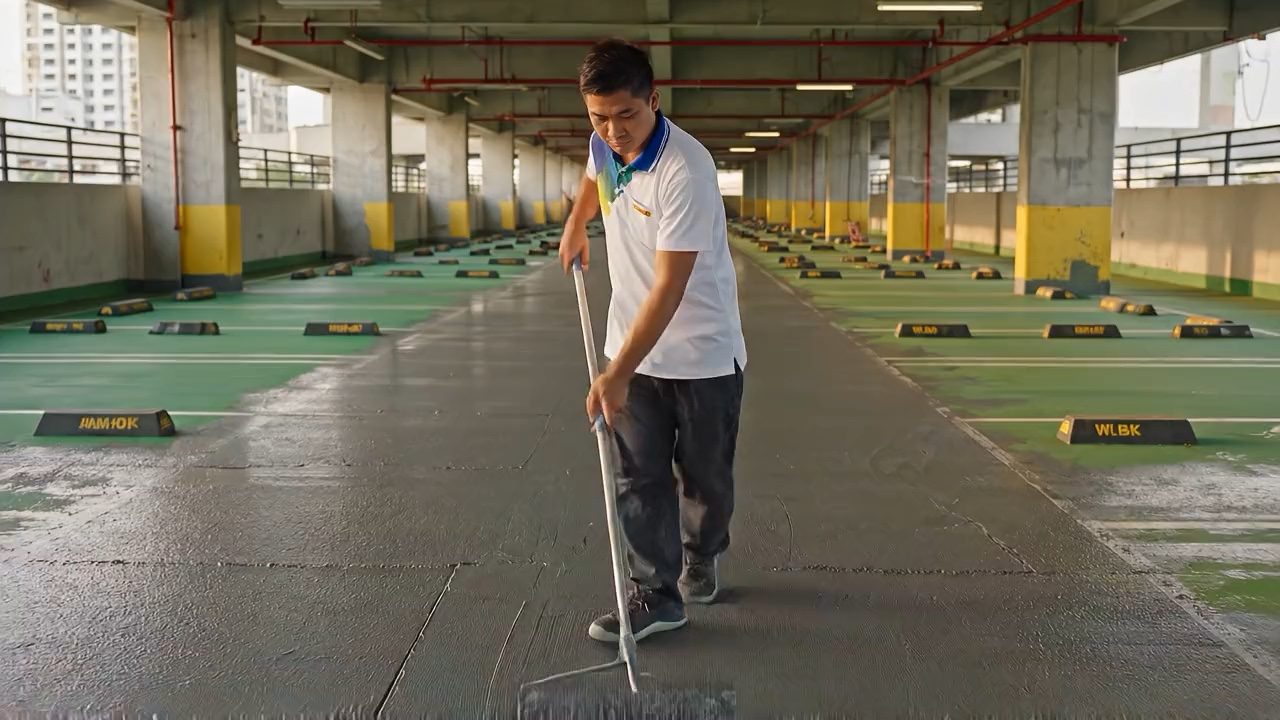
Industrial Flooring Systems
Industrial Flooring Systems Singapore
Sparco manufactures industrial flooring systems in Singapore — epoxy, self-smoothing epoxy, polyurethane, PU screed, ESD, anti-slip, car park deck and warehouse floor coatings, plus chemical-resistant and concrete repair systems. The right system depends on your substrate, traffic, chemical exposure, moisture, hygiene requirement and available shutdown window — so we specify to the floor, not from a catalogue.
Singapore coatings manufacturer since 1984 · ISO 9001, ISO 14001, ISO 45001 · bizSAFE
Industrial flooring systems Sparco manufactures
Each system links to the relevant Sparco products and the technical guide that explains how it is built and where it is used.
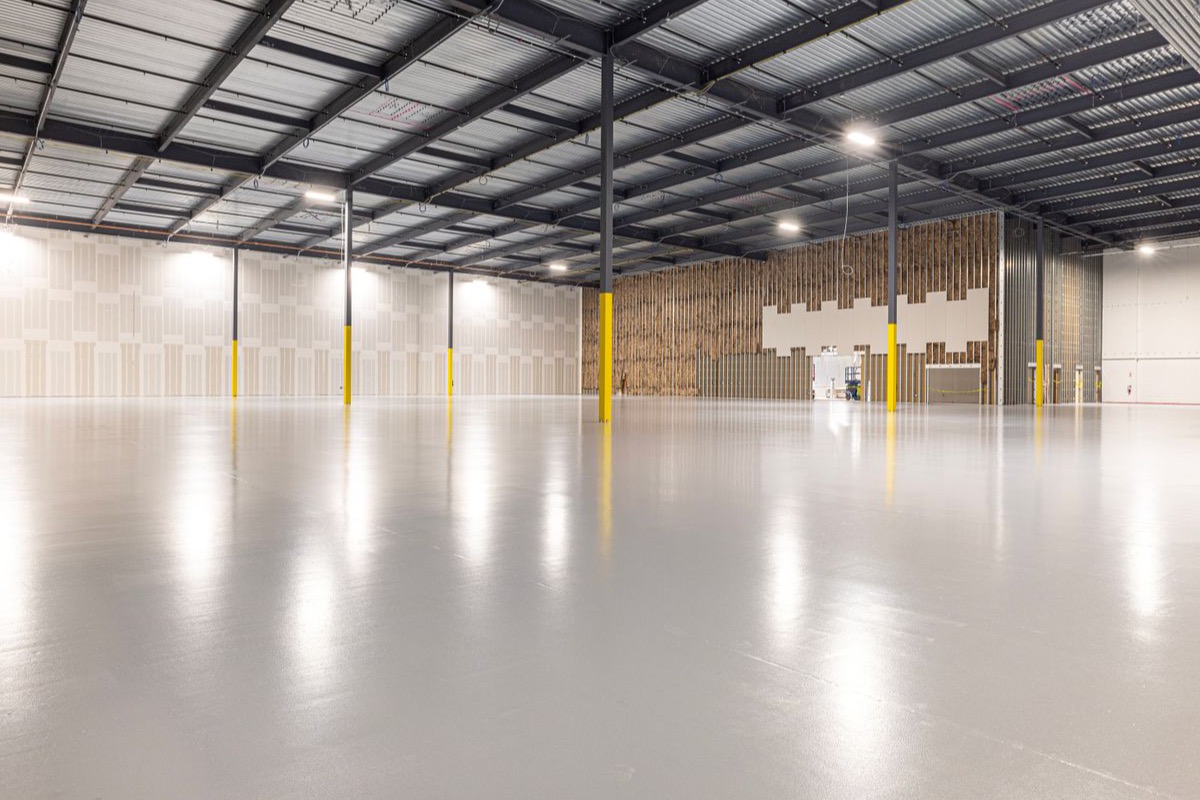
Epoxy flooring
Seamless, chemical-resistant epoxy floors for factories, workshops and warehouses — from roller-applied coatings to high-build systems on prepared concrete.
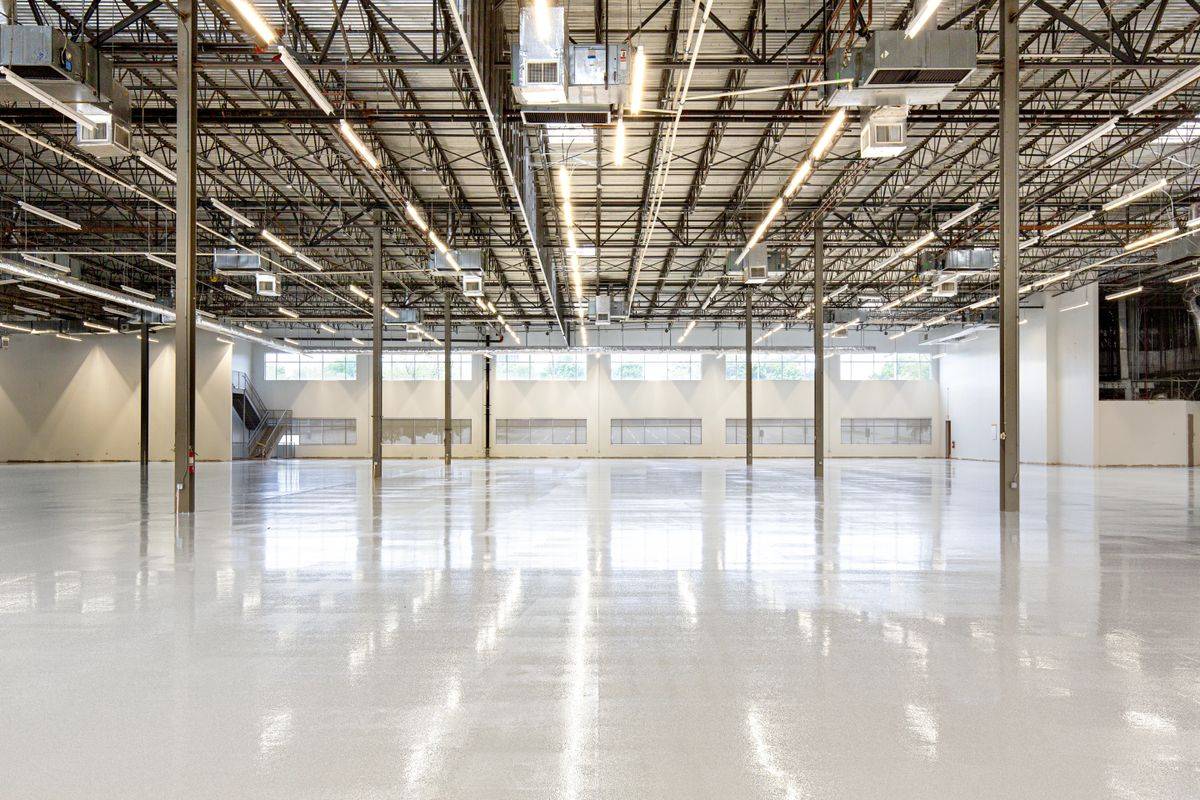
Self-smoothing epoxy flooring
Self-levelling, solvent-free epoxy that flows to a smooth, dust-free, hard-wearing surface for production and packing areas.
Polyurethane (PU) flooring
Flexible, UV-stable polyurethane floor coatings for decks, ramps and areas exposed to weather, traffic wear and colour-critical finishes.
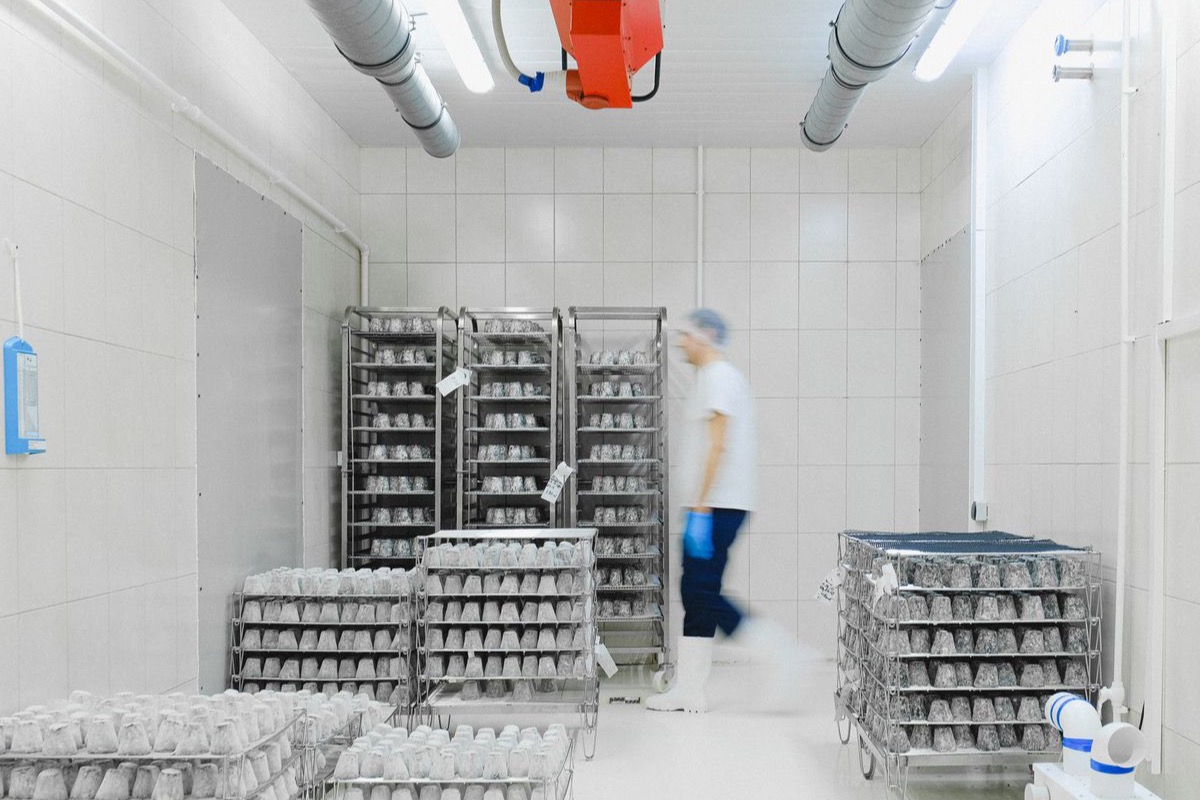
PU screed flooring
Heavy-duty polyurethane screed for washdown, wet-process and thermal-shock environments such as food and beverage production.
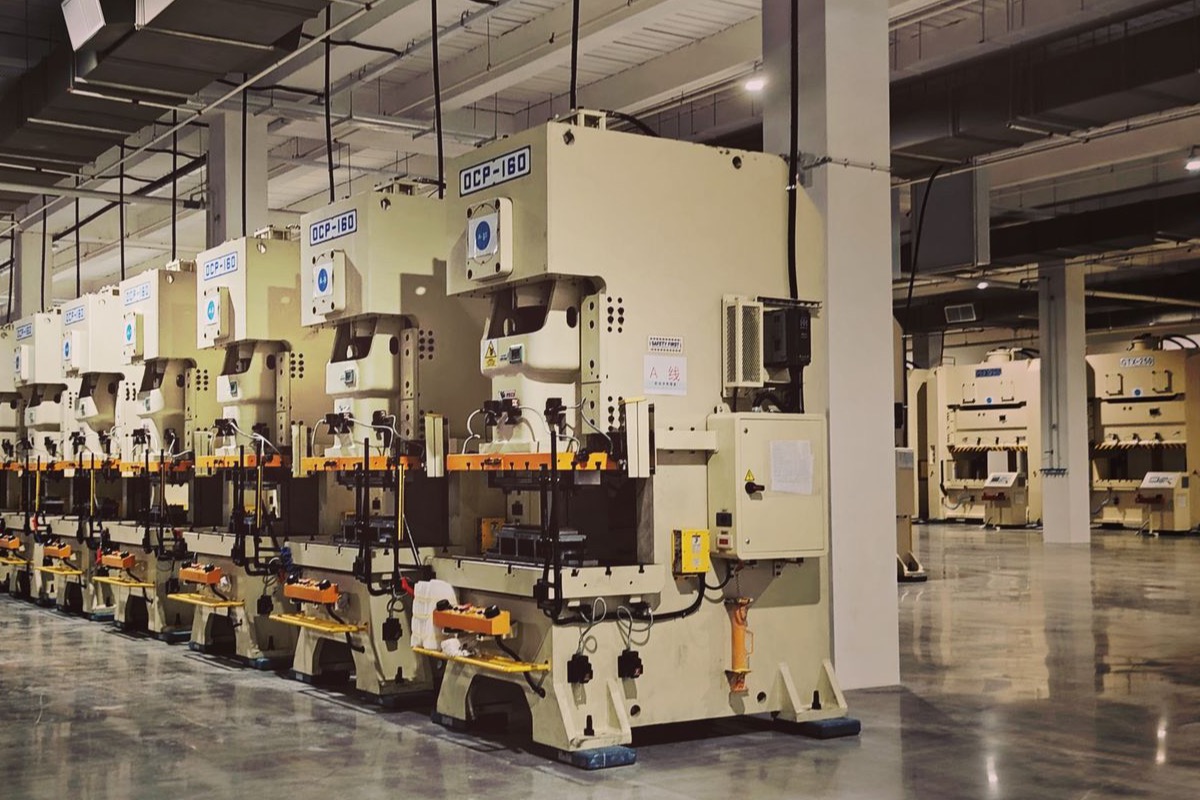
ESD flooring
Conductive, electrostatic-discharge-controlled epoxy floors for electronics manufacturing and static-sensitive areas.
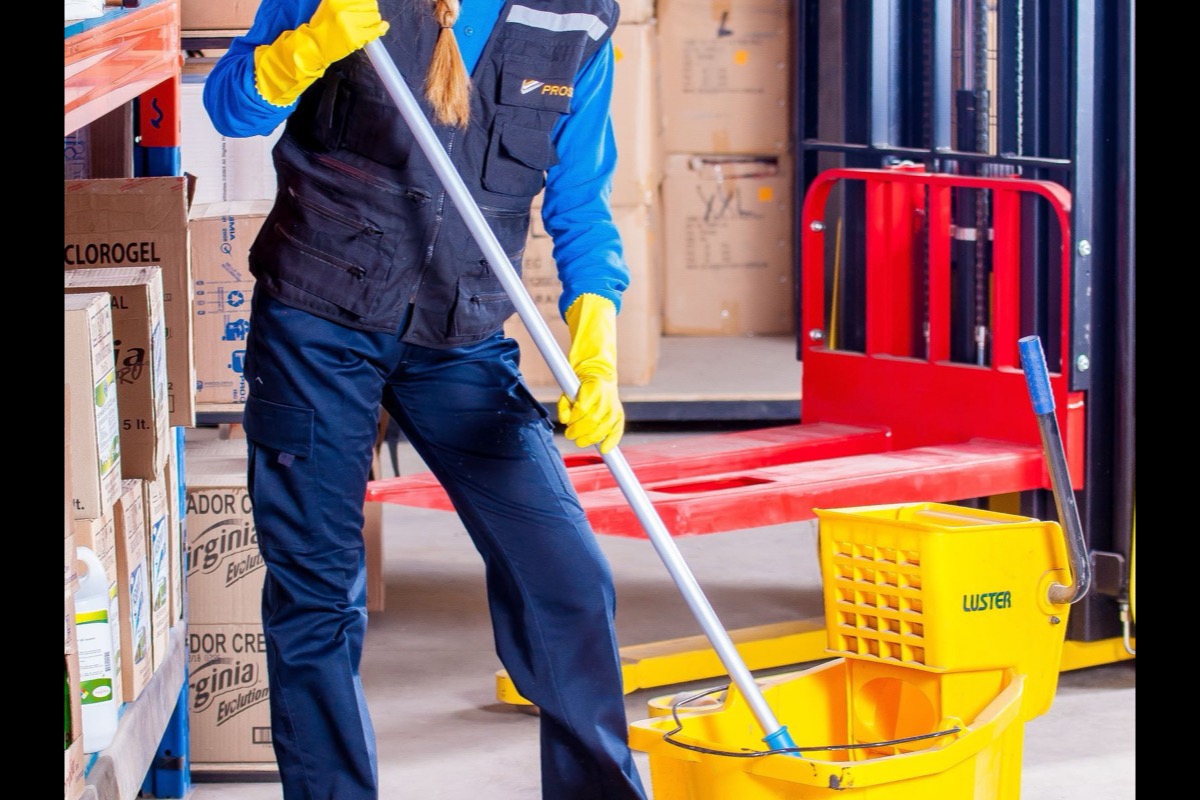
Anti-slip floor coatings
Broadcast-aggregate anti-slip finishes that balance grip and cleanability in wet-process areas, ramps and walkways.
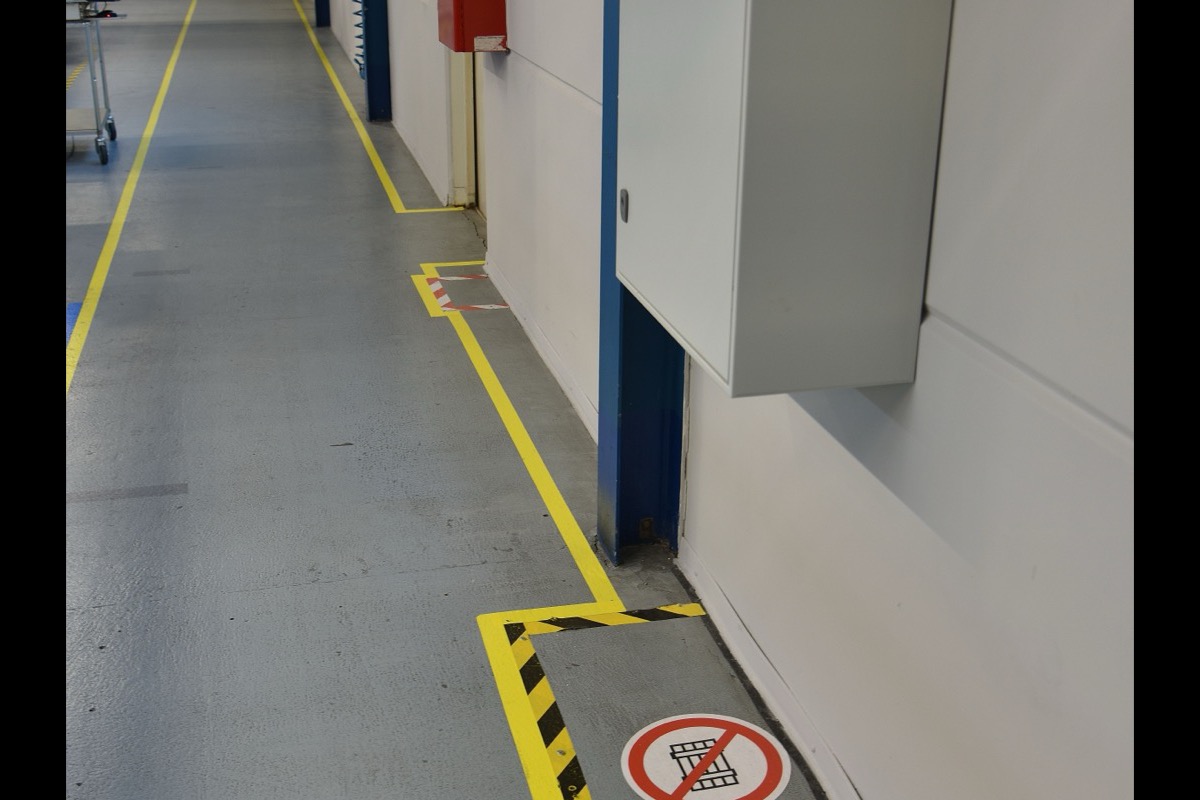
Car park deck coatings
Layered deck systems — primer, body coat, anti-slip broadcast and UV-stable topcoat — for ramps and exposed parking decks.
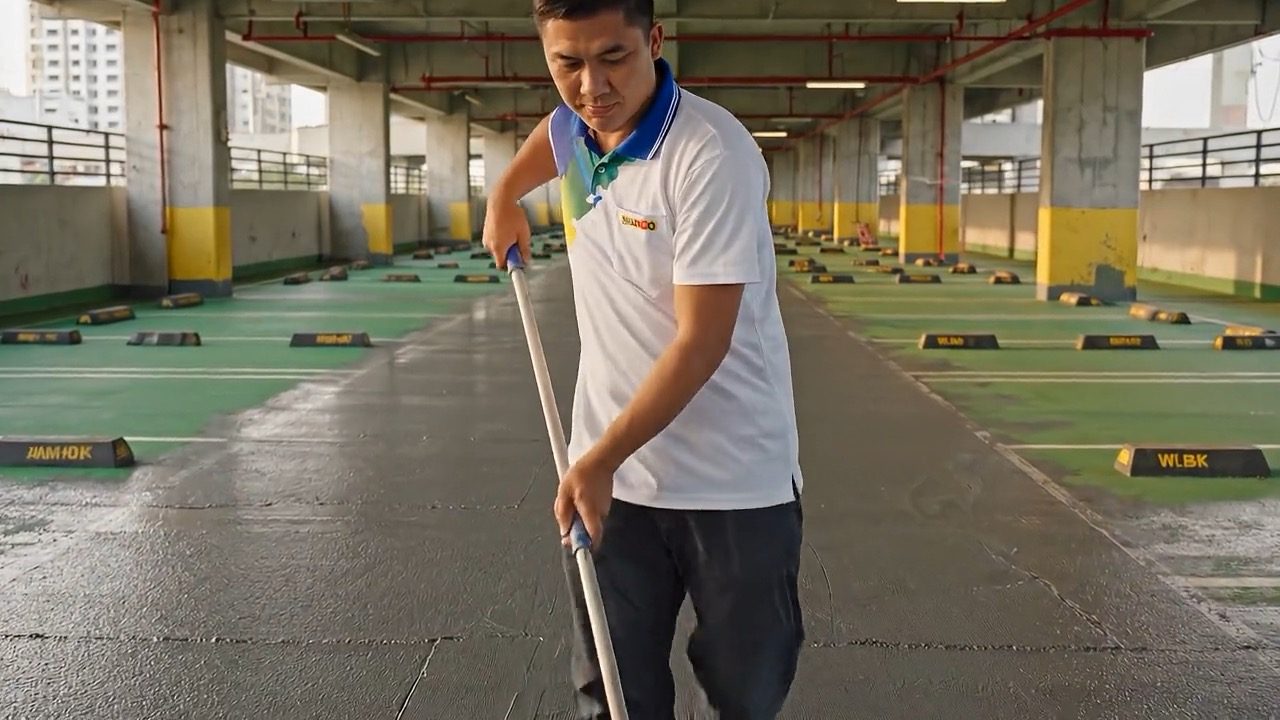
Waterproof & protective floor coatings
Water-based epoxy and PU coatings that protect concrete floors from moisture, weather and chemical attack.
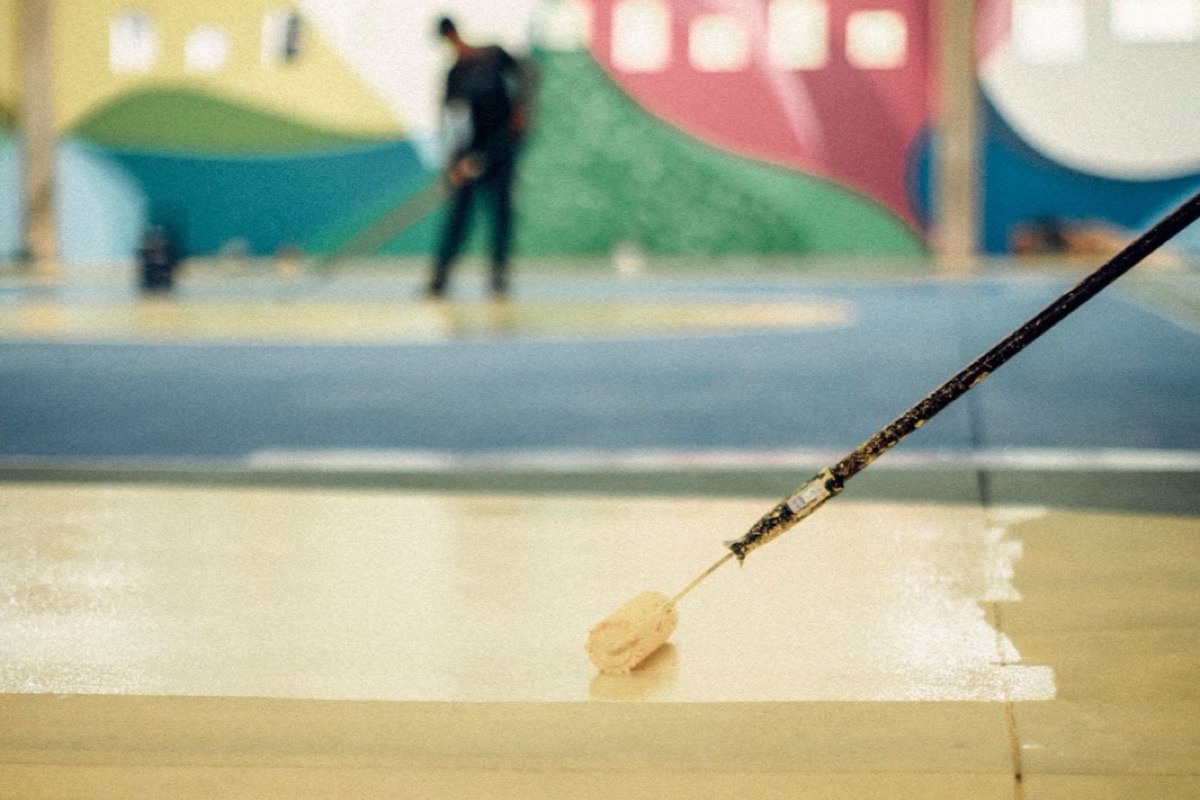
Concrete repair & recoating systems
Bonding primers, patching mortars and thixotropic compounds to repair, level and re-bond worn or damaged slabs before recoating.
Flooring by industry
Requirements differ by facility. Browse the market segment closest to yours for the systems typically specified there.
Product selection matrix
A practical starting point — the final specification depends on substrate condition, moisture and shutdown window. Ask our technical team to confirm the complete build-up.
| Requirement | Typical system | Relevant Sparco products | Suitable market pages | Notes |
|---|---|---|---|---|
| Forklift traffic | High-build epoxy or self-smoothing epoxy on a bonded primer | Match film build and primer to slab condition and load. | ||
| Food factory washdown | PU screed for thermal shock and constant washdown | Coving and falls to drains are specified with the system. | ||
| ESD / static control | Conductive ESD epoxy over a conductive primer grid | Earthing and grounding points confirmed on site. | ||
| Car park ramps / decks | Epoxy body coat with anti-slip broadcast and UV-stable PU topcoat | UV stability matters on exposed decks; PU topcoat resists yellowing. | ||
| Wet process areas | Anti-slip broadcast finish with cleanable texture grade | Texture grade balances grip against ease of cleaning. | ||
| Chemical exposure | Chemical-resistant epoxy or PU screed suited to the chemicals present | Resistance depends on the specific chemicals — confirm with our team. | ||
| Dusty concrete slabs | Penetrating primer / sealer then an epoxy build coat | See the dusting-concrete guide for diagnosis before recoating. | ||
| Floor recoating / refurbishment | Assess, prepare and re-bond, then recoat the existing floor | Often avoids full replacement; depends on the existing coating. | ||
| Anti-slip requirement | Aggregate-broadcast anti-slip topcoat at the chosen texture grade | Grade the texture to how wet the floor actually stays. | ||
| UV-exposed areas | Aliphatic PU topcoat for colour and gloss retention outdoors | Aliphatic PU resists yellowing where epoxy would chalk. |
A practical starting point — the final specification depends on substrate condition, moisture and shutdown window. Ask our technical team to confirm the complete build-up.
Related Sparco products
Every product page carries the Technical Data Sheet (TDS) for download.
Sparcofloor SL 200
Self-smoothing, solvent-free epoxy flooring
View Product →Sparcofloor #102
Solvent-free epoxy roller coating
View Product →Sparco 3-C Polyurethane Screed
Water-based polyurethane flooring screed
View Product →Sparco ElectroShield SL 110
Solvent-free conductive epoxy coating (ESD)
View Product →Sparcofloor 343
Two-component solvent-based polyurethane floor coating
View Product →Sparcofloor PU 41
Solvent-based aliphatic polyurethane coating (two-component)
View Product →Sparcofloor WBE 400
Water-based two-component epoxy coating
View Product →Sparcofloor WBE 410
Water-based two-component epoxy coating
View Product →Sparco Epoxy Bonding Primer #100
Solvent-free epoxy primer
View Product →Sparco Epoxy Mortar
Epoxy repair and patching mortar
View Product →Sparco Epoxy Thixotropic Compound
Two-component thixotropic epoxy repair adhesive
View Product →Sparco SB Prime 107
Solvent-based epoxy primer
View Product →Related technical resources
Deeper, specification-oriented guides from Sparco's technical resource library.
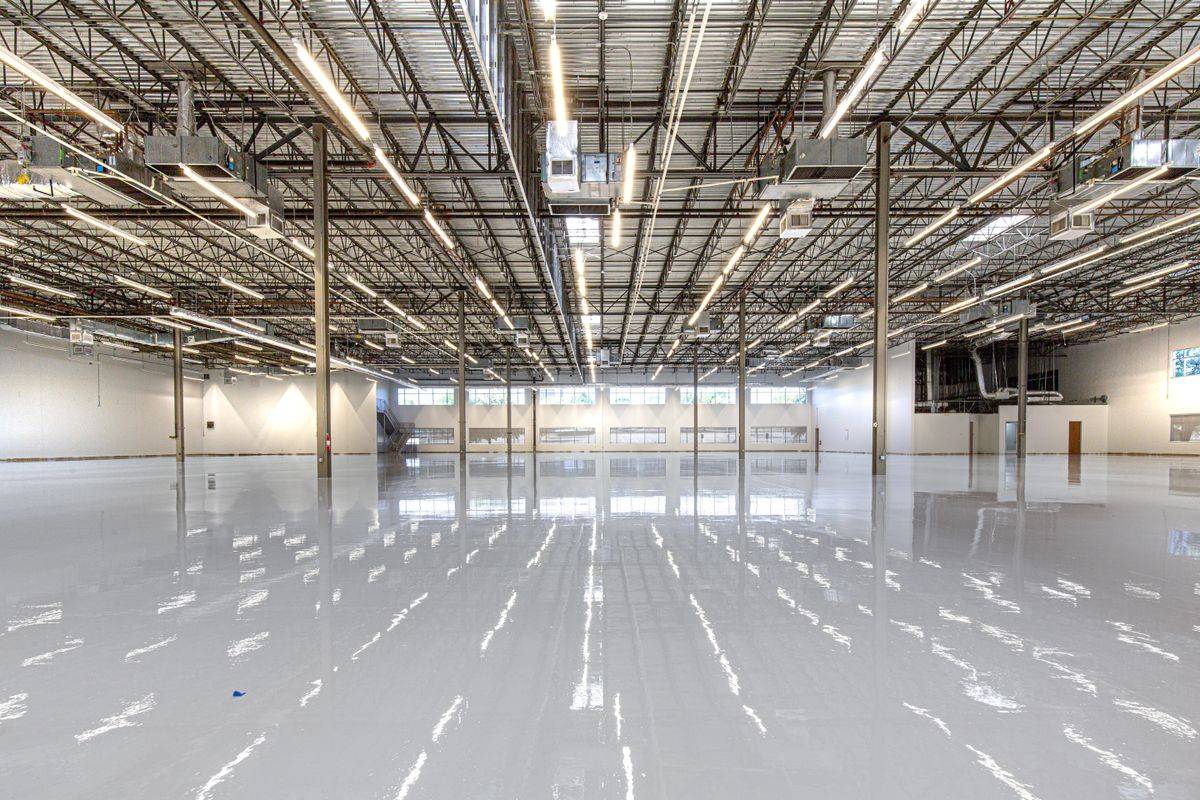
Epoxy vs Polyurethane Flooring: Which System Should You Use?
How epoxy and polyurethane floor systems differ, when each is typically specified in Singapore, and how the two are combined in one build-up.
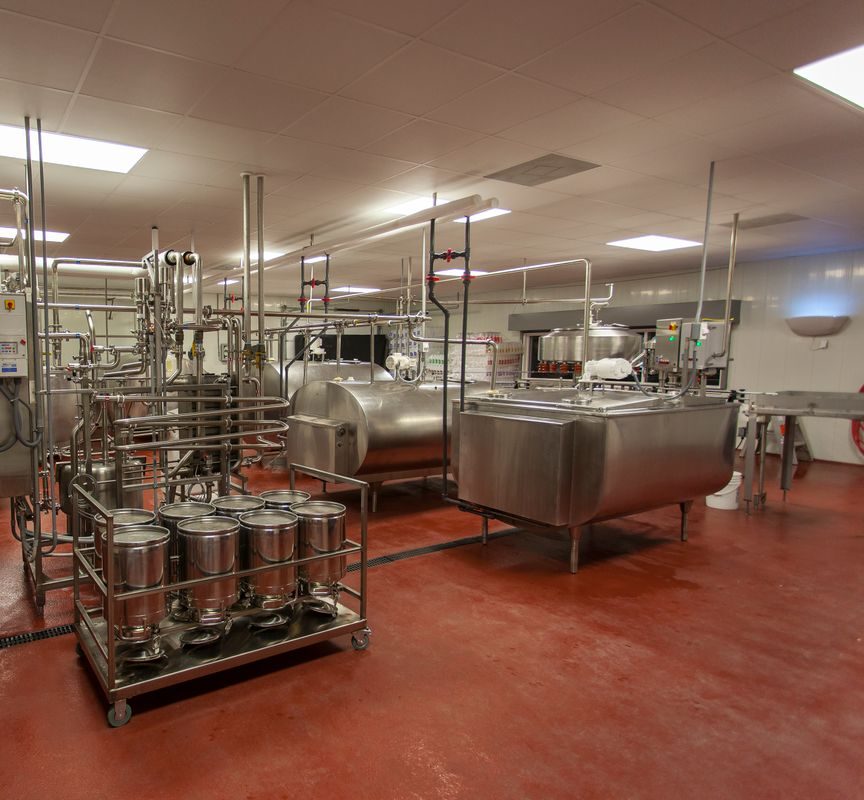
PU Screed Flooring for Washdown and Heavy-Duty Areas
What polyurethane screed flooring is, why washdown and heavy-duty areas specify it, and how PU screeds differ from epoxy coatings in Singapore facilities.
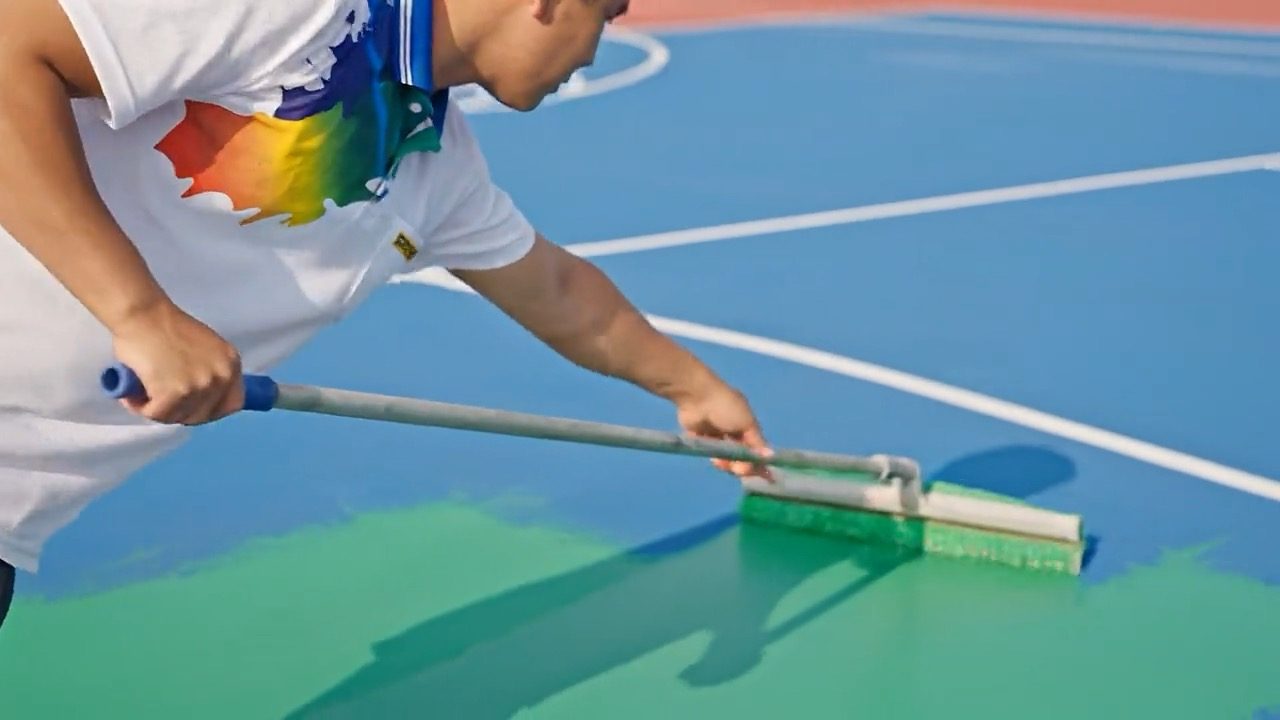
How to Select Anti-Slip Flooring for Wet Process Areas
How anti-slip resin floors are built for wet process areas in Singapore: broadcast aggregate, texture grades, and balancing slip resistance with cleanability.
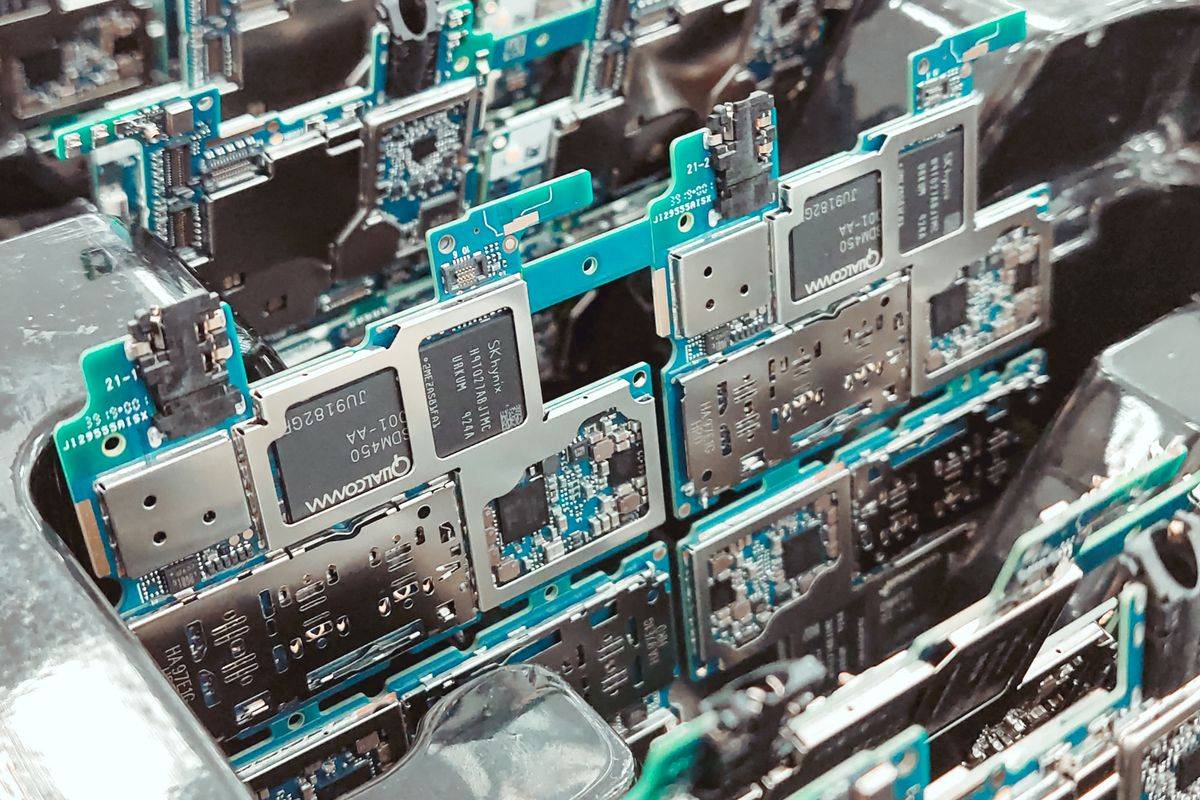
ESD Flooring for Electronics Manufacturing: What to Consider
What ESD (anti-static) epoxy flooring is, when electronics facilities need it, and what to check when specifying conductive floors in Singapore.
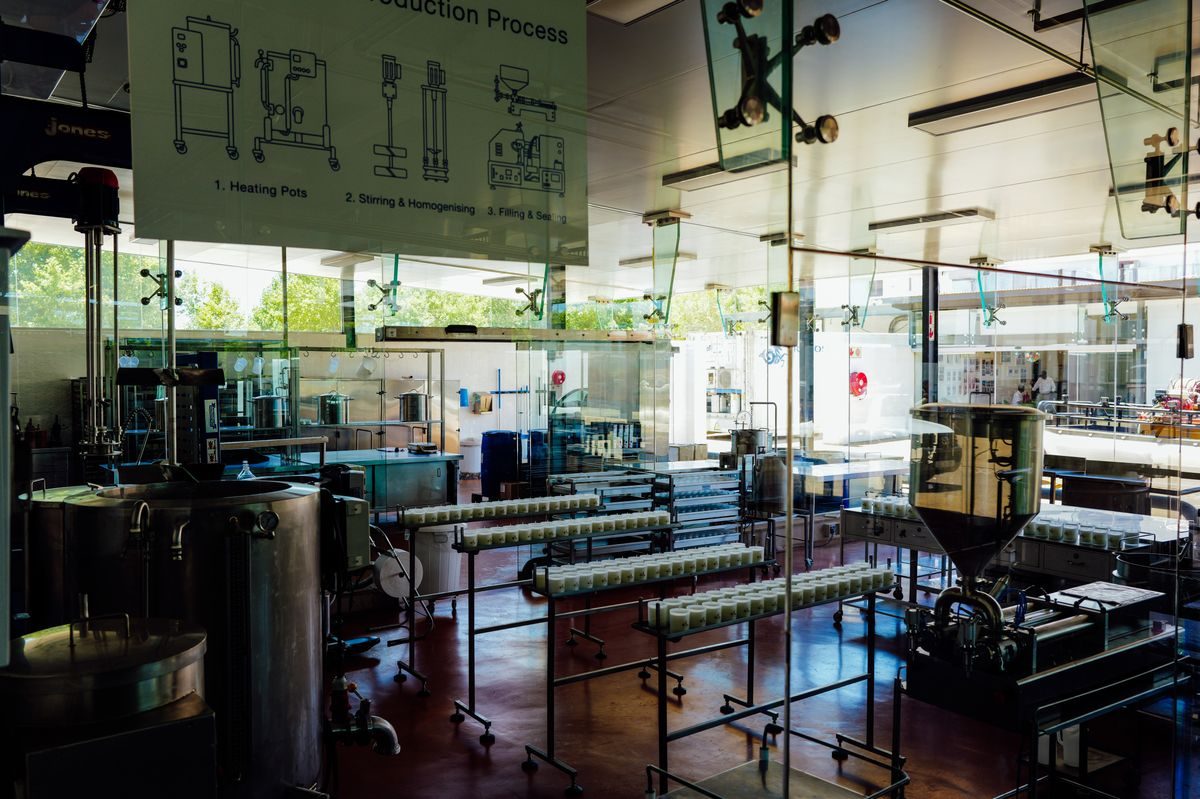
How to Choose Flooring for Food & Beverage Production Areas
Selecting hygienic, washdown-tolerant flooring for food and beverage production in Singapore: PU screeds, seamless epoxy and anti-slip finishes compared.

Car Park Deck Coatings: Primer, Body Coat and Topcoat Explained
How a car park deck coating system is built up in Singapore: repair, primer, epoxy body coat, anti-slip broadcast and UV-stable PU topcoat explained layer by layer.
Why Industrial Floor Coatings Fail: A Diagnostic Guide
Why industrial floor coatings fail: moisture and preparation dominate, with substrate, application and service faults behind the rest. Diagnose before recoating.
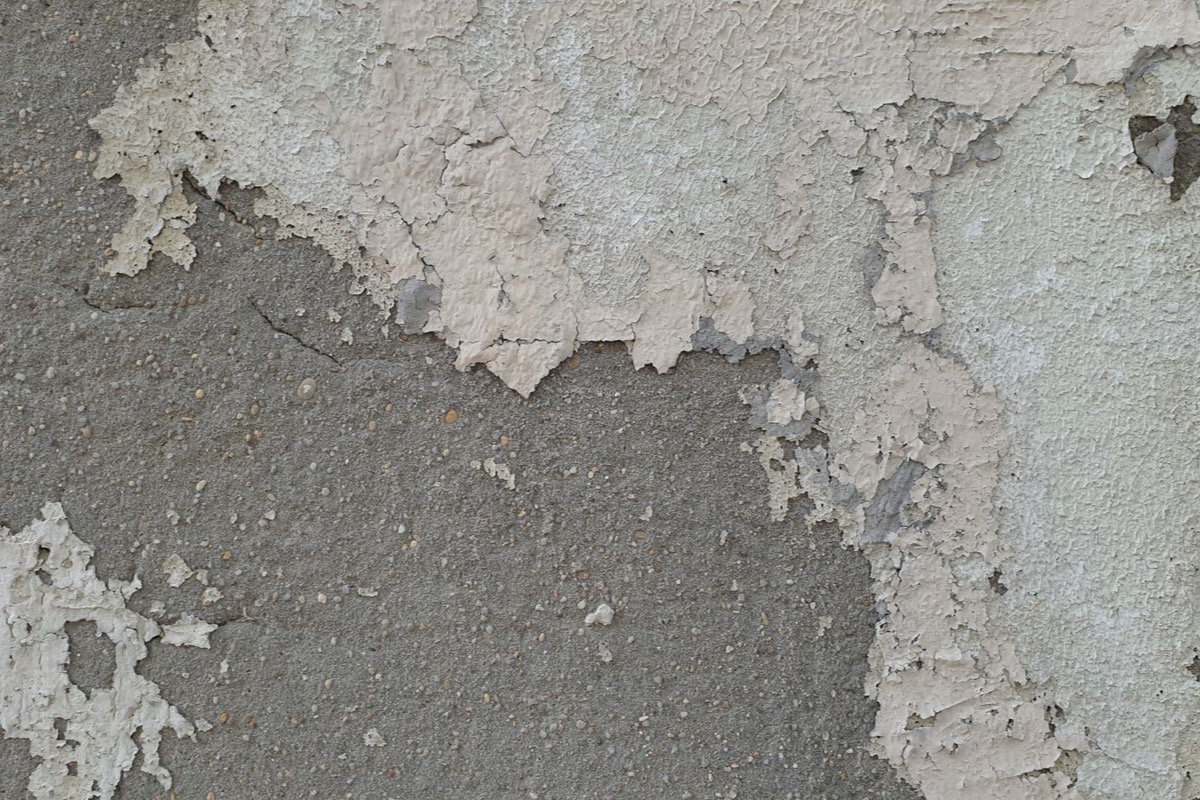
Why Is My Epoxy Floor Peeling? Adhesive vs Cohesive Failure
Why epoxy floor peeling happens: read the underside of the lifted piece. Adhesive vs cohesive failure, intercoat delamination, moisture, and what repair each needs.
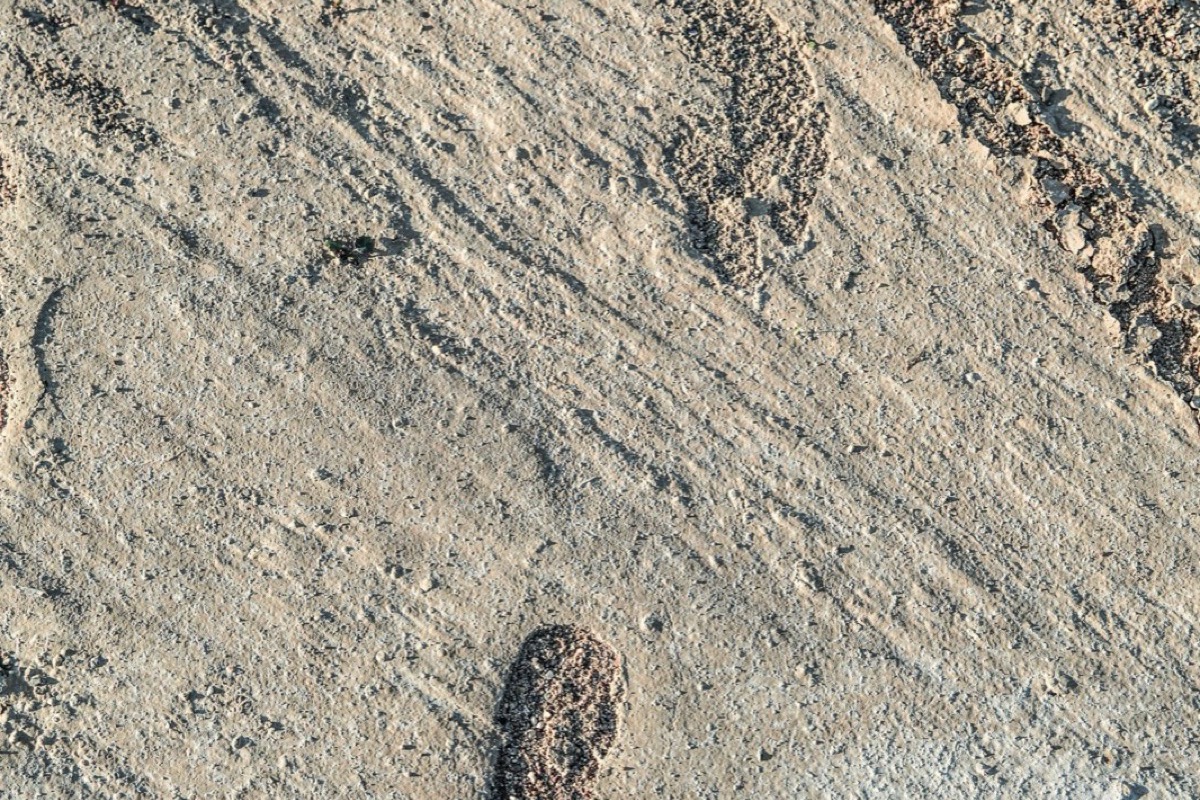
Dusty Concrete Floor Solution for Warehouse and Factory Slabs
A dusty concrete floor solution for warehouse and factory slabs: why laitance causes concrete dusting, and how grinding, densifiers and epoxy coatings compare.
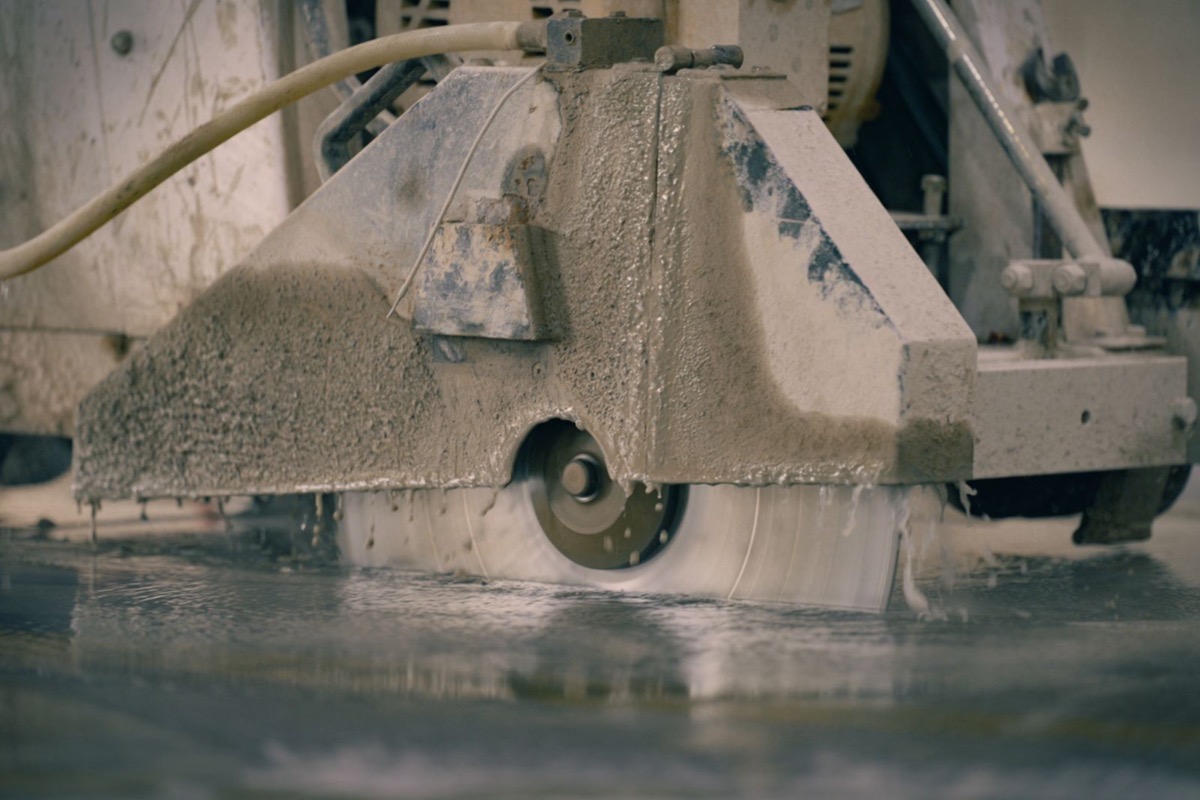
Concrete Surface Preparation for Coating: CSP Profile and Methods
Concrete surface preparation for coating: ICRI CSP 1–10 profiles, shot blasting vs diamond grinding, laitance removal, and verifying prep before priming.
Industrial Floor Coating Repair Cost: What Actually Drives the Number
Industrial floor coating repair cost in Singapore is driven by surface preparation, not the coating. How a refurbishment quote is built, and how to compare quotes.
Project references
Anonymised references based on real Sparco projects, showing how these systems are applied across industrial and commercial sites.
Browse project references →Industrial flooring FAQs
What is the best industrial flooring for factories in Singapore?
There is no single best floor — it depends on the work the floor does. Production and warehouse areas usually take a high-build or self-smoothing epoxy; washdown and food-process areas take a PU screed; electronics areas take an ESD floor. Sparco specifies the system to your substrate, traffic, chemical exposure and shutdown window rather than defaulting to one product.
Is epoxy or PU flooring better for industrial floors?
Epoxy gives a hard, chemical-resistant, cost-effective floor for indoor production and warehousing. Polyurethane adds flexibility, UV stability and thermal-shock resistance, which suits decks, ramps and washdown areas. Many Sparco build-ups combine both — an epoxy body coat with a PU topcoat. The epoxy vs polyurethane guide explains the trade-offs.
What flooring is suitable for food production areas?
Food and beverage production areas typically use a polyurethane screed, which withstands hot and cold washdown, thermal shock and constant cleaning, often with an anti-slip texture and coved detailing to drains. See the food and beverage flooring guide for how the system is built.
What flooring is suitable for electronics manufacturing?
Electronics and static-sensitive areas use ESD (electrostatic-discharge-controlled) flooring — a conductive epoxy over a conductive primer grid tied to earthing points. Sparco ElectroShield SL 110 is our conductive epoxy system for these environments.
Can industrial floors be recoated without full replacement?
Often, yes. If the slab is sound and the existing coating is well bonded, the floor can be prepared, re-bonded with a primer and recoated — avoiding a full tear-out. Whether recoating is suitable depends on the condition of the existing floor; our repair, recoat or replace guide walks through the decision.
What affects industrial floor coating cost?
Cost is driven by the system build-up, the area, the condition of the substrate and the preparation it needs, film thickness, special requirements such as ESD or anti-slip, and the shutdown window available. Sparco does not publish per-square-metre prices because these vary per project; our team quotes against your actual site conditions.
How does Sparco recommend the right flooring system?
Tell us the floor area, substrate and its condition, the traffic, any chemical exposure, moisture and hygiene requirements, and your available shutdown window. Sparco's technical team then recommends a complete system — primer, body coat and topcoat — grounded in our product Technical Data Sheets, and replies within 1–2 business days.
Get a system recommendation for your floor
Tell us your floor area, substrate condition, traffic, chemical exposure and shutdown window. Sparco's technical team will recommend a suitable industrial flooring system — at no obligation.