
Industry Applications · 5 min read · Updated 2026-07-07
How to Choose Flooring for Food & Beverage Production Areas
Answer summary
Food and beverage production floors are typically specified as seamless, washdown-tolerant systems: polyurethane screeds for heavy-duty wet-process areas, self-smoothing epoxy for production and packing zones, and anti-slip broadcast finishes where floors stay wet. The right choice depends on washdown regime, thermal load, traffic and available shutdown time.
What F&B floors must survive
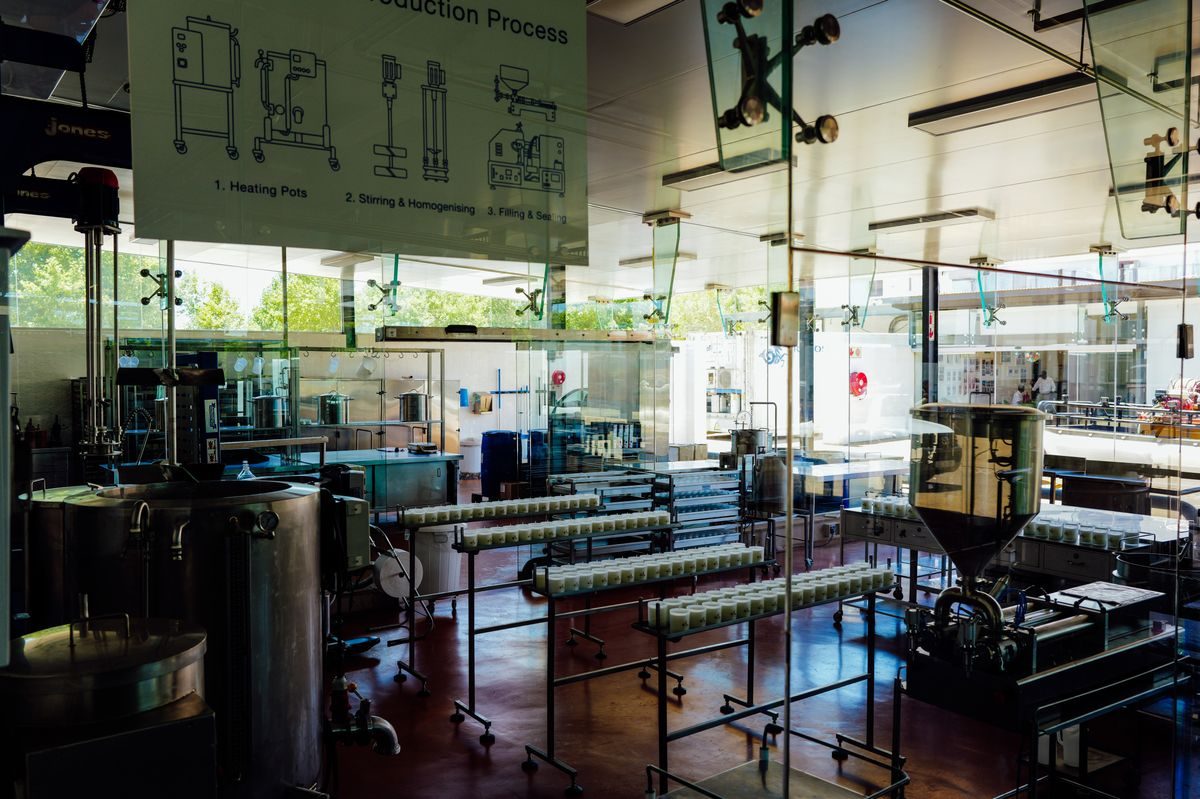
Food production environments combine demands that ordinary floor paints do not survive: frequent washdowns with cleaning chemicals, spilled process liquids (often acidic or fatty), wheeled traffic, and hygiene regimes that require a seamless, cleanable surface with no joints or porosity where bacteria can sit.
In wet-process areas, hot washdowns and temperature swings add thermal stress, and permanently wet zones need slip resistance built into the floor texture rather than added as an afterthought.
The systems typically specified
For medium to heavy duty wet-process areas, a polyurethane screed is the usual reference point: Sparco 3-C Polyurethane Screed is a water-based, self-smoothing hybrid PU screed specified in food and beverage plants and other demanding environments.
For production, packing and dry-process zones, a solvent-free self-smoothing epoxy such as Sparcofloor SL 200 provides a seamless, chemical-resistant wearing surface. Where application must happen with the plant partially occupied, water-based epoxies such as Sparcofloor WBE 400 apply with low odour and are formulated for dry or damp substrates — relevant in facilities that are washed down daily.
- Wet process and washdown zones: polyurethane screed
- Production and packing areas: self-smoothing epoxy
- Damp substrates or occupied-facility application: water-based epoxy
- Wet standing areas: anti-slip broadcast finish on any of the above
Selection factors that change the answer
The washdown regime matters more than any other single factor: the frequency, temperature and chemicals used determine whether a coating or a thicker screed is appropriate. Traffic type (pallet jacks, forklifts), the condition and moisture content of the slab, and — very often the deciding constraint — the shutdown window available for installation and cure all shape the final specification.
Because these factors interact, F&B floors are specified as complete systems (repair, primer, body, texture, finish) rather than single products.
When to use this system
- Wet-process areas with frequent hot washdowns: PU screed
- Production and packing zones needing seamless hygiene: self-smoothing epoxy
- Refurbishment on damp or young concrete: damp-tolerant water-based epoxy
- Any permanently wet standing area: anti-slip broadcast texture
Where it is commonly used
- Food and beverage production plants
- Commercial kitchens and central kitchens
- Cold rooms, chillers and packing halls
- Breweries and beverage bottling lines
Related Sparco products
Recommended TDS downloads
Browse the TDS Download Centre →Related market segments
Related solutions & guides
Frequently asked questions
What flooring is used in food factories in Singapore?
Commonly a combination: polyurethane screeds in wet-process and washdown areas, seamless self-smoothing epoxy in production and packing zones, and anti-slip broadcast finishes where floors stay wet. The mix depends on washdown regime, traffic and shutdown windows.
Why are seamless floors required in food production?
Joints, cracks and porous surfaces trap water and organic matter and are difficult to sanitise. A seamless resin floor gives a continuous, cleanable surface that supports hygiene regimes such as HACCP-based programmes.
Can the floor be installed without stopping production?
Usually work is phased area by area within shutdown windows. Low-odour water-based systems widen the options in occupied facilities; cure times before foot and wheeled traffic then drive the schedule. Discuss the shutdown plan with the manufacturer before specifying.
Is PU screed or epoxy better for a food factory?
Wet, hot-washdown and thermal-shock areas usually take a polyurethane screed; drier production and packing areas can use seamless epoxy. Many plants combine both by zone. The choice depends on temperature, washdown regime and hygiene requirement.
How is coving used in food factory flooring?
Coving forms a curved, seamless junction between floor and wall and around drains, so there are no square corners for soil and bacteria to collect and the floor washes down cleanly. It is specified as part of the flooring system, not added afterwards.
Related guides
5 min read
PU Screed Flooring for Washdown and Heavy-Duty Areas
Read guide →
5 min read
How to Select Anti-Slip Flooring for Wet Process Areas
Read guide →
6 min read
Car Park Deck Coatings: Primer, Body Coat and Topcoat Explained
Read guide →
10 min read
Dusty Concrete Floor Solution for Warehouse and Factory Slabs
Read guide →
7 min read
Chemical resistant flooring for factories: how to specify it correctly
Read guide →
Related project references
Anonymised references from real Sparco projects show how these systems are applied on comparable sites.
Browse project references →Values referenced in this guide come from the products' Technical Data Sheets. Final specification depends on substrate, traffic, chemical exposure and shutdown window — confirm the complete build-up with our technical team.