
Flooring Systems · 5 min read · Updated 2026-07-07
PU Screed Flooring for Washdown and Heavy-Duty Areas
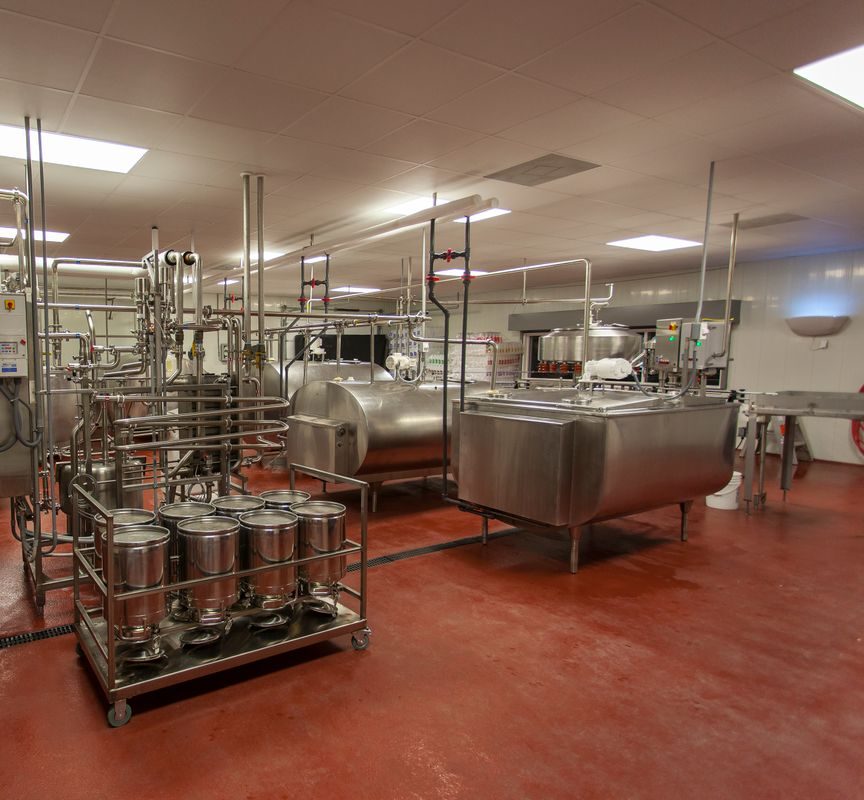
Answer summary
A polyurethane screed is a thick, resin-rich floor that forms the entire wearing body rather than a thin coating. It is typically specified for washdown and heavy-duty environments — food and beverage plants above all — because it withstands the combination of wet cleaning, thermal cycling and mechanical load that thin coatings struggle with. Sparco 3-C Polyurethane Screed is a water-based, self-smoothing hybrid PU screed for medium to heavy duty service.
What a PU screed is
Unlike a coating measured in fractions of a millimetre, a polyurethane screed is applied as a thick, self-smoothing or trowelled layer that becomes the floor's wearing body. The polyurethane binder gives the cured screed a degree of resilience and thermal tolerance that suits environments where floors are washed down hot, loaded heavily and trafficked constantly.
Sparco 3-C Polyurethane Screed is a water-based, self-smoothing hybrid polyurethane screed specified for medium to heavy duty service — commonly in food and beverage plants, chemical processing areas and other demanding environments.
Why washdown areas point to PU screeds
Where the duty is lighter — dry production, packing, storage — a self-smoothing epoxy is often the more economical seamless floor, which is why many plants zone the two systems side by side.
- Thermal tolerance — hot washdowns and temperature swings stress thin films; a screed's mass and resilience absorb them better
- Wet cleaning regimes — the seamless, resin-rich body stands up to frequent chemical cleaning
- Mechanical load — pallet trucks, racking and impact are carried by the screed body, not a thin skin
- Texture options — broadcast finishes integrate slip resistance for permanently wet zones
Specification notes
PU screeds are substrate-critical like all resin floors: slab condition, moisture and preparation govern adhesion, and falls to drains should be formed in the substrate rather than the screed. Shutdown planning matters too — screeds are installed area by area, and cure times before wet cleaning and traffic drive the phasing.
Because washdown floors are hygiene-audited, the specification normally covers coving details, drain interfaces and texture grade together with the screed itself.
When to use this system
- Wet-process areas with hot or frequent washdowns
- Medium to heavy duty floors carrying wheeled and point loads
- Environments combining thermal cycling with chemical cleaning
- Zones where a seamless, hygiene-auditable floor body is required
Where it is commonly used
- Food and beverage production plants
- Commercial and central kitchens
- Breweries, dairies and beverage lines
- Heavy-duty industrial and chemical processing floors
Related Sparco products
Recommended TDS downloads
Browse the TDS Download Centre →Related market segments
Food & Beverages
Food and beverage plants combine thermal shock, frequent washdowns and hygiene requirements that ordinary floors cannot sustain. Sparco's solvent-free epoxy systems and polyurethane screeds create seamless, chemical-resistant surfaces suited to wet process and production areas.
Manufacturing & Warehousing
Production floors and warehouses take forklift traffic, impact, spills and around-the-clock operations. Sparco's full flooring range — from bonding primers and repair mortars to self-smoothing epoxies and polyurethane topcoats — keeps industrial floors serviceable with minimal downtime.
Related solutions & guides
Frequently asked questions
What is the difference between a PU screed and an epoxy floor?
An epoxy floor is usually a coating or self-smoothing layer providing hardness and chemical resistance; a PU screed is a thicker wearing body whose polyurethane binder adds resilience and thermal tolerance — the combination washdown-heavy environments need.
Which Sparco product is a PU screed?
Sparco 3-C Polyurethane Screed — a water-based, self-smoothing hybrid polyurethane screed for medium to heavy duty service, commonly specified in food and beverage plants and other demanding environments.
Can a PU screed be made anti-slip?
Yes — aggregate broadcast into the screed creates an integrated slip-resistant texture, with the grade chosen to balance grip against cleanability for the washdown regime.
How thick is a PU screed floor?
PU screeds are laid much thicker than a coating — typically several millimetres — which is part of how they resist thermal shock and heavy impact. The exact thickness is specified by the duty and temperature of the area; see the product Technical Data Sheet.
Can a PU screed handle hot and cold washdown?
Thermal-shock resistance is a main reason PU screed is used in food, beverage and process areas that see steam or hot-then-cold cleaning. The suitable grade depends on the temperatures involved — confirm with our technical team.
Related guides
5 min read
Why Solvent-Free Epoxy Flooring Is Used in Industrial Facilities
Read guide →
5 min read
How to Choose Flooring for Food & Beverage Production Areas
Read guide →
6 min read
Epoxy vs Polyurethane Flooring: Which System Should You Use?
Read guide →
12 min read
Concrete Floor Crack Repair Before Epoxy Coating
Read guide →
8 min read
Cold storage and freezer flooring: choosing a system that survives the cold
Read guide →
Related project references
Anonymised references from real Sparco projects show how these systems are applied on comparable sites.
Browse project references →Values referenced in this guide come from the products' Technical Data Sheets. Final specification depends on substrate, traffic, chemical exposure and shutdown window — confirm the complete build-up with our technical team.