
Industry Applications · 8 min read · Updated 2026-07-15
Cold storage and freezer flooring: choosing a system that survives the cold
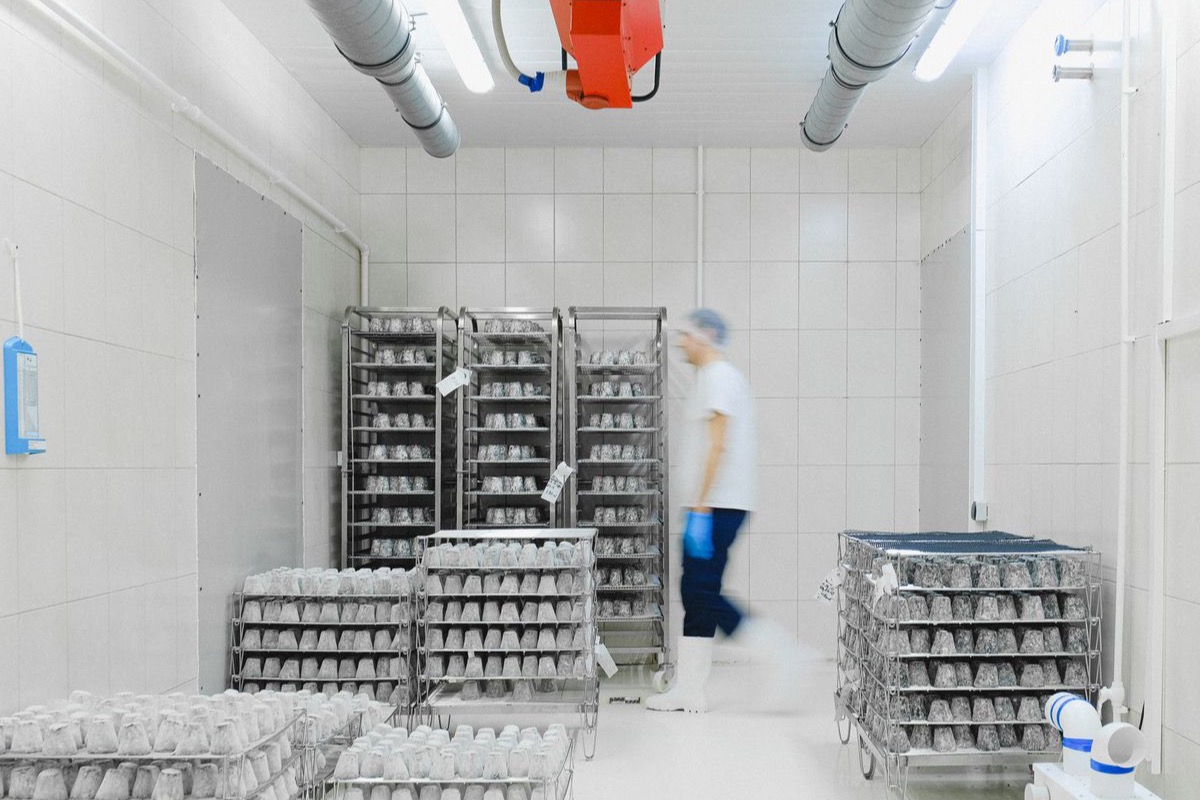
Answer summary
For cold storage flooring in Singapore, temperature is the deciding factor, not just traffic or chemicals. Polyurethane (PU) screed and urethane-cement floors are commonly specified for freezers and blast freezers because they can serve continuously to around -40 C and tolerate thermal shock, whereas rigid epoxy is more prone to cracking and delamination under freeze-thaw and rapid temperature change. Any specific temperature limit for a given product should be confirmed against the product TDS and the operating regime.
Why cold storage flooring is a different problem
A cold-store floor is chosen for the temperature it lives at, not only for the forklifts that run over it. Singapore's position as a logistics and cold-chain hub means chiller and freezer fit-outs are common, and the floor is one of the few elements that must stay bonded and crack-free while the slab beneath it contracts in the cold and moves again every defrost or washdown. Get the resin wrong and the floor fails not from wear but from thermal movement.
The governing question is the coldest continuous-service temperature and the fastest rate of temperature change the floor will see. A chiller at around 0 to 5 C is a mild environment; a blast freezer swinging toward -30 to -40 C is one of the most demanding a resin floor faces. Between those extremes sit standard freezers and, most punishing of all, the transition zones where product crosses from an ambient dock into the cold.
This article owns the cold-storage thermal point for our library. Where hygiene matters because the store holds food, the detailed hygiene case is covered in our food and beverage production flooring article and is not repeated here.
Why temperature is the governing factor
Concrete and a thin rigid film expand and contract at different rates. That difference in coefficient of thermal expansion means a stiff epoxy film bonded to a slab is placed under stress every time the temperature moves. Hold that mismatch at deep-freeze temperatures, or cycle it repeatedly, and the film is prone to cracking and delaminating from the slab. A thicker, more flexible urethane-cement or PU screed accommodates that movement far better, which is why the industry position is that these systems can serve continuously to around -40 C.
Moisture and ice make it worse. Water migrating through or sitting on a cold slab can freeze, and freeze-thaw action lifts a poorly matched coating. Thermal shock at transitions, warm product or a warm washdown hitting a deep-cold floor, or a defrost cycle warming and re-cooling the surface, concentrates that stress at exactly the points that fail first.
So the two drivers that decide the system are the coldest continuous-service zone and the fastest temperature-change zone. Chillers at around 0 to 5 C are meaningfully less demanding than blast freezers at -30 to -40 C, and mapping each area to its real regime is the first design step rather than treating the whole facility as one temperature.
Mapping the cold chain by zone and stressor
A cold-storage facility is rarely a single temperature. Dispatch docks, chillers, freezers, blast cells and the washdown or defrost transitions each impose a different stressor, and the honest approach is to specify per zone rather than force one system everywhere.
The table below sets out typical zones, their temperatures, the dominant stressor and a hedged direction on system type. Treat the direction as a starting point for technical review, not a final specification.
| Cold-chain zone | Typical temperature | Key stressor | Suitable system direction |
|---|---|---|---|
| Ambient dispatch / loading dock | Ambient (SG humid) | Traffic, abrasion, condensation at door lines | Epoxy or PU system may suit; anti-slip at door thresholds |
| Chiller | ~0 to 5 C | Mild cold, moisture, hygiene | Resin systems can suit; confirm against TDS and regime |
| Freezer | -18 to -25 C | Continuous deep cold, thermal contraction | PU screed / urethane-cement commonly specified |
| Blast freezer | -30 to -40 C | Deep cold plus rapid temperature swing | PU screed / urethane-cement commonly specified for coldest, thermal-shock zones |
| Washdown / defrost transition | Warm to cold cycling | Thermal shock, freeze-thaw, standing water | PU screed / urethane-cement with falls and anti-slip; confirm regime |
What a cold-store system looks like
A urethane-cement or PU screed cold-store floor is built up as a system, not a single coat. On a sound, prepared slab, a primer establishes the bond; the screed body carries the mechanical and thermal duty; and a seal or topcoat closes the surface for cleaning and slip resistance. The screed body is the layer doing the thermal work, flexing with the slab instead of fighting it.
Among Sparco products, Sparco 3-C Polyurethane Screed is a water-based hybrid PU screed with high chemical resistance, and is the natural anchor for cold-store and thermal-shock zones. Sparcofloor SL 200, a solvent-free self-smoothing epoxy with high chemical and mechanical properties, may suit milder chiller or ancillary areas where thermal movement is limited. Epoxy's honest limitation is thermal: as a rigid film it is more prone to cracking and delamination under deep cold and rapid change, so it is not the default for blast-freezer duty.
Any specific temperature limit for a given Sparco product should be confirmed against the product TDS and the operating regime rather than assumed from this article.
-
Seal / topcoat
Closes surface for hygiene and anti-slip
-
PU screed body
Accommodates thermal movement of the slab
-
Primer
Establishes bond to prepared slab
-
Cold-store concrete slab
Contracts and cycles with temperature
The screed body flexes with the slab so the floor survives thermal movement.
Getting a cold slab coated: the application problem
Cold slabs are hard to coat because most resins need a minimum substrate temperature to cure. As an example of why scheduling matters, Sparco Epoxy Bonding Primer #100 lists a minimum substrate temperature of 5 C and a cure range of +10 to +35 C. A slab already pulled down to freezer temperature is well below that, so the practical rule is that resin floors are applied before the plant is brought down to temperature, or the space is temporarily warmed for application and cure.
Condensation and moisture control are the other application risk. A cold or cooling surface pulls condensation out of Singapore's humid air, and coating over a damp or dewing slab compromises the bond. Substrate moisture and dew point must be controlled before and during application; general moisture testing is covered in our concrete moisture testing article and is not re-explained here. Surface preparation likewise follows our concrete surface preparation guide.
Finally, wet and icy transition zones need anti-slip. Where the store handles food, hygiene detailing such as coving and falls to drain matters too, and that hygiene case is set out in the food and beverage production flooring article rather than here.
Common mistakes in cold-store flooring
Most cold-store floor failures trace back to a handful of avoidable decisions made at specification or scheduling. They are worth naming plainly because each one is preventable.
- Specifying a rigid epoxy for a blast freezer, where thermal movement and rapid swings make cracking and delamination likely
- Trying to coat a slab that is already at temperature, below the resin's minimum substrate temperature for cure
- Ignoring thermal shock at dock-to-chiller and chiller-to-freezer transitions, where the sharpest stress concentrates
- Leaving no anti-slip at icy or wet transition zones, creating a slip hazard exactly where people cross temperature lines
Cold-store flooring specification checklist
Before a cold-store floor is specified or ordered, walk through the facility zone by zone and answer the following. The clearer this is, the more accurate the technical review and system selection.
- Map every zone to its coldest continuous-service temperature and its fastest temperature-change regime
- Identify transition points (dock to chiller, chiller to freezer) and treat them as the highest-stress areas
- Confirm any product temperature limit against the product TDS and the actual operating regime
- Plan application before pull-down or with temporary warming, respecting minimum substrate temperature for cure
- Control substrate moisture, dew point and condensation before and during application
- Specify anti-slip for wet and icy transitions, and cross-check hygiene detailing where food is stored
When to use this system
- Fitting out a new chiller, freezer or blast-freezer facility
- Re-flooring a cold store where an epoxy floor has cracked or delaminated
- Facilities with sharp dock-to-freezer thermal transitions
- Cold-chain sites needing washdown-tolerant, thermally stable floors
Where it is commonly used
- Blast freezers and deep-freeze cold rooms (-30 to -40 C)
- Standard freezer stores (-18 to -25 C)
- Chillers and ambient dispatch docks
- Washdown and defrost transition zones
Related Sparco products
Recommended TDS downloads
- Sparco 3-C Polyurethane Screed — TDS
- Sparcofloor SL 200 — TDS
- Sparco Epoxy Bonding Primer #100 — TDS
Related market segments
Food & Beverages
Food and beverage plants combine thermal shock, frequent washdowns and hygiene requirements that ordinary floors cannot sustain. Sparco's solvent-free epoxy systems and polyurethane screeds create seamless, chemical-resistant surfaces suited to wet process and production areas.
Manufacturing & Warehousing
Production floors and warehouses take forklift traffic, impact, spills and around-the-clock operations. Sparco's full flooring range — from bonding primers and repair mortars to self-smoothing epoxies and polyurethane topcoats — keeps industrial floors serviceable with minimal downtime.
Related solutions & guides
Frequently asked questions
What flooring is best for a freezer or cold store?
Polyurethane (PU) screed and urethane-cement floors are commonly specified for freezers and blast freezers because they can serve continuously to around -40 C and tolerate thermal shock. Rigid epoxy is more prone to cracking and delamination under deep cold and rapid temperature change. The exact system should be chosen per zone and confirmed against the product TDS and operating regime.
Why does epoxy crack in cold storage?
A rigid epoxy film and the concrete slab expand and contract at different rates, so cold and repeated temperature cycling place the film under stress it cannot absorb. At freezer temperatures this leads to cracking and delamination, made worse by freeze-thaw of any moisture. A thicker, more flexible PU screed accommodates that movement instead.
Can you apply floor coating in a freezer that is already cold?
Generally not, because most resins need a minimum substrate temperature to cure; for example Sparco Epoxy Bonding Primer #100 lists a minimum substrate temperature of 5 C and a cure range of +10 to +35 C. A slab at freezer temperature is far below that, so floors are applied before the plant is brought down to temperature or the space is temporarily warmed for application and cure.
Is a chiller floor different from a freezer floor?
Yes. A chiller at around 0 to 5 C is a much milder environment than a freezer at -18 to -25 C or a blast freezer at -30 to -40 C, so it places less thermal stress on the floor. Chillers may suit a wider range of resin systems, while the coldest and fastest-cycling zones point toward PU screed or urethane-cement.
What temperature can Sparco cold-store flooring handle?
As a general industry position, PU screed and urethane-cement floors can serve continuously to around -40 C, but any specific rating for a Sparco product should be confirmed against that product's TDS and the operating regime. We do not publish a fixed temperature figure here because the safe limit depends on the system build-up and how fast the temperature changes in service.
Related guides
Related project references
Anonymised references from real Sparco projects show how these systems are applied on comparable sites.
Browse project references →Values referenced in this guide come from the products' Technical Data Sheets. Final specification depends on substrate, traffic, chemical exposure and shutdown window — confirm the complete build-up with our technical team.