
Flooring Systems · 5 min read · Updated 2026-07-07
How to Select Anti-Slip Flooring for Wet Process Areas
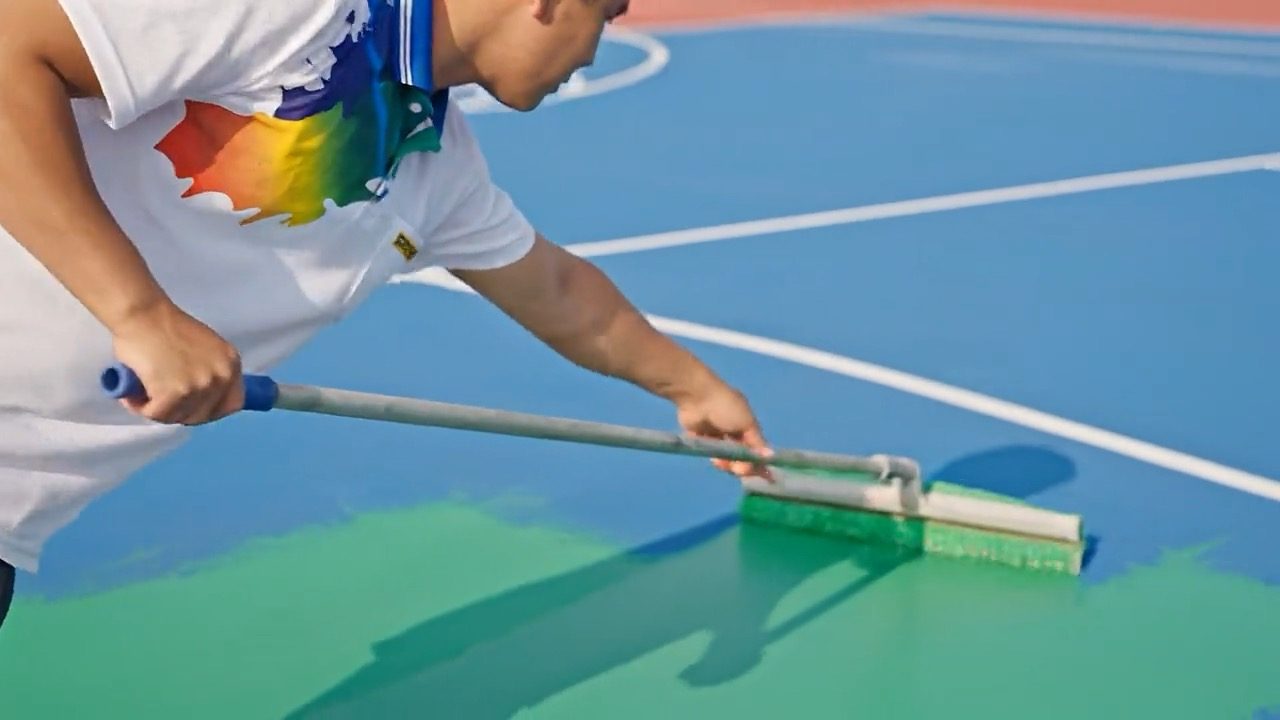
Answer summary
Anti-slip resin floors are made by broadcasting aggregate into the coating while it is wet, then sealing it with a topcoat — the aggregate size sets the grip. Selection is a balance: coarser texture grips better underfoot in wet process areas but is harder to clean, so the washdown regime and footwear policy decide the grade.
How anti-slip texture is built into a resin floor
Resin floors are made slip-resistant by broadcasting aggregate (typically quartz sand of a controlled size) into the wet body coat. Once cured, excess aggregate is removed and a seal or topcoat locks the texture in place. The result is grip that is part of the floor's structure, not a surface additive that wears away.
The same principle applies across chemistries — epoxy body coats such as Sparcofloor WBE 400, self-smoothing systems, and deck topcoats such as EcoTough Floor Topcoat can all carry a broadcast texture where the specification requires it.
The grip vs cleanability balance
More texture is not automatically better. Coarse profiles hold grip even with grease or process water on the floor, but they trap soil and demand more aggressive cleaning; fine profiles rinse clean easily but offer less bite. The right grade follows from how wet the floor actually stays, what is spilled on it, the cleaning equipment used, and the footwear policy.
In practice, facilities often zone the specification: coarse texture on ramps, drains surrounds and permanently wet zones; a finer profile on walkways and dry-process areas; smooth finish where carts must roll easily and the floor stays dry.
- Permanently wet, greasy or sloped areas: coarse broadcast
- General wet-process floors: medium broadcast
- Walkways and mostly-dry zones: fine texture or smooth with matting at wet points
- Always confirm the texture sample underfoot, wet, before full application
Texture is one layer of a system
Slip resistance sits on top of the same fundamentals as any resin floor: repaired substrate, suitable primer, and a body coat matched to the chemical and thermal load. In washdown environments the system also needs to tolerate the cleaning regime — which is why anti-slip specification is agreed together with the coating build-up, not bolted on afterwards.
When to use this system
- Wet process areas where floors stay wet during operation
- Ramps, drain surrounds and washdown zones
- Areas with oil, grease or food-fat spillage
- Entrances and transitions where wet and dry traffic meet
Where it is commonly used
- Food and beverage production and kitchens
- Chemical processing and containment floors
- Car park ramps and turning zones
- Loading bays exposed to rain
Related Sparco products
Recommended TDS downloads
Browse the TDS Download Centre →Related market segments
Food & Beverages
Food and beverage plants combine thermal shock, frequent washdowns and hygiene requirements that ordinary floors cannot sustain. Sparco's solvent-free epoxy systems and polyurethane screeds create seamless, chemical-resistant surfaces suited to wet process and production areas.
Chemical Processing
Process areas, bund walls and storage zones demand floors that stand up to spills, cleaning regimes and mechanical wear. Sparco's solvent-free epoxy systems and polyurethane screeds provide medium-to-heavy chemical resistance with seamless, easy-to-clean finishes.
Related solutions & guides
Frequently asked questions
How is slip resistance added to an epoxy floor?
Aggregate is broadcast into the wet body coat and sealed with a topcoat, making the texture part of the floor build-up. The aggregate grading determines the level of grip.
What anti-slip grade should I choose?
It is a balance between grip and cleanability: coarser texture for permanently wet, greasy or sloped areas; finer texture where cleaning ease and cart traffic matter. Assess a wet sample underfoot before committing the full area.
Does anti-slip texture wear off?
Broadcast texture is embedded in the coating system rather than applied as a surface film, so it wears with the floor itself. High-traffic zones are typically inspected and re-sealed as part of planned maintenance.
Can an anti-slip floor still be cleaned easily?
There is a trade-off: coarser texture grips better but holds more soil, so the grade is matched to how wet the floor stays and the cleaning method available. In hygiene areas a finer, cleanable texture with the right cleaning regime is usually specified.
Is anti-slip flooring slip-rated to a standard?
Slip resistance is described by texture grade and aggregate rather than a single guaranteed rating, because in-service performance depends on contamination, cleaning and footwear. Sparco specifies the texture to the risk and does not publish a guaranteed slip rating here.
Related guides
5 min read
How to Choose Flooring for Food & Beverage Production Areas
Read guide →
6 min read
Car Park Deck Coatings: Primer, Body Coat and Topcoat Explained
Read guide →
5 min read
PU Screed Flooring for Washdown and Heavy-Duty Areas
Read guide →
16 min read
Concrete Surface Preparation for Coating: CSP Profile and Methods
Read guide →
9 min read
Warehouse floor line marking colours: what they mean and how to apply them
Read guide →
Related project references
Anonymised references from real Sparco projects show how these systems are applied on comparable sites.
Browse project references →Values referenced in this guide come from the products' Technical Data Sheets. Final specification depends on substrate, traffic, chemical exposure and shutdown window — confirm the complete build-up with our technical team.